The Ugly Stage of a Painting, and How to Get Through It
Almost every painting looks worse right after the first colors go in. Why the ugly stage happens, and five habits that carry you through it.

Almost every painting I make goes through a stretch where it looks worse before it looks right. It usually comes right between the monochrome stage and the color stage. The first color notes go in, nothing is resolved yet, and a painting that looked good an hour ago suddenly stops working. People call it the ugly stage. I call it the awkward stage. It is normal, it is part of the process, and the main thing is not to let it scare you into a bad decision.
Why a painting looks worse before it looks better
The monochrome block-in is one of my favorite stages. It is simple, it reads clearly, and it is easy to fall for. Then the first color notes and midtones come in, and for a while it can feel like everything stops working.
Part of it is the number of variables. The first day of a block-in usually feels easy. The second day is trickier. By the time you reach the stretch where everything has to work together, the drawing, the values, the color, the proportions, it can feel harder than when you started, because you are deciding more things at once and none of them is finished.
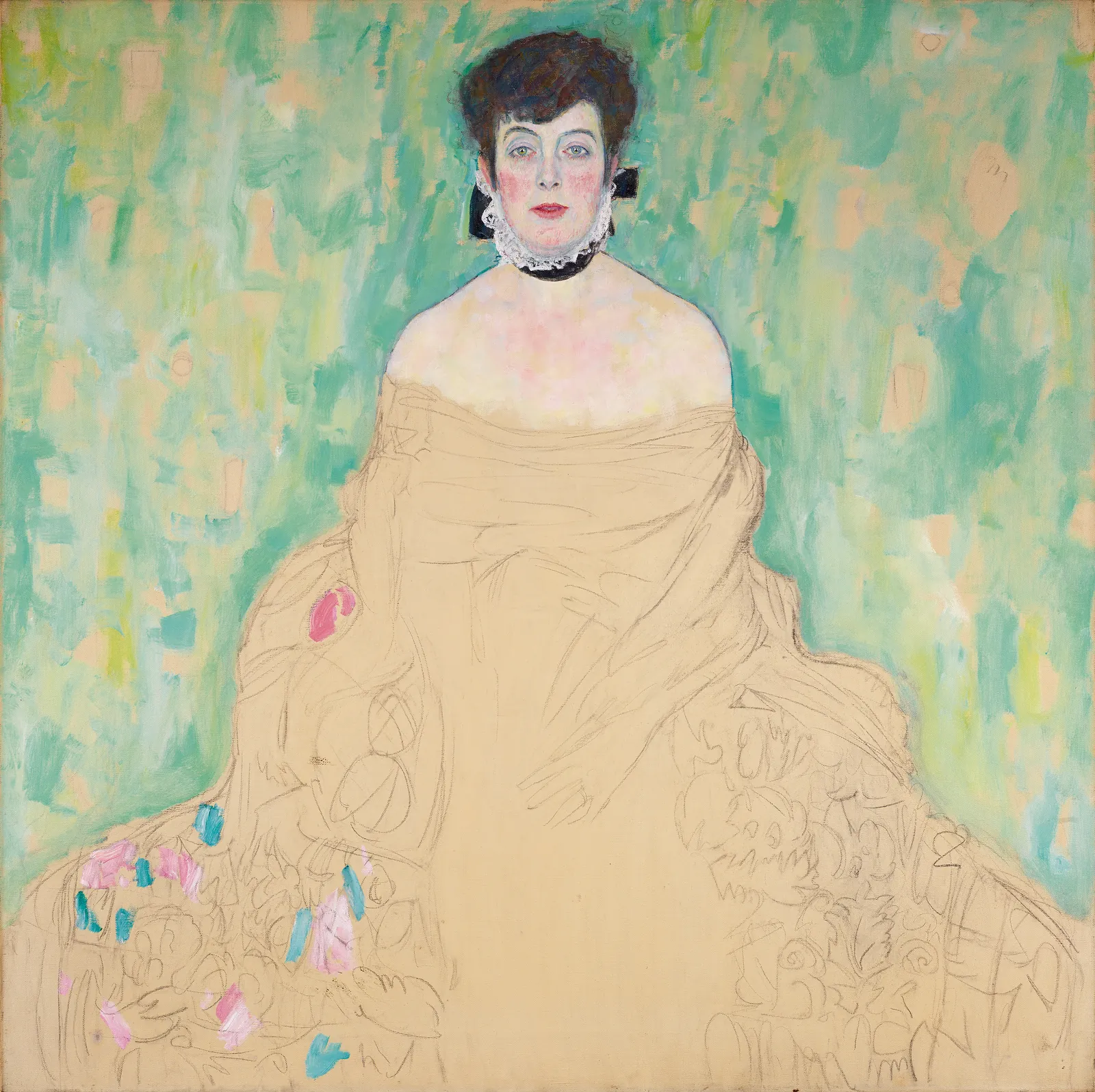
This happens to me a lot. A painting works well, or at least reasonably well, as a monochrome, and then I start into color and it seems to fall apart. It hasn't. It is between stages.
Fear is almost never a good decision
The danger in the ugly stage is not the painting. It is what you do when it scares you.
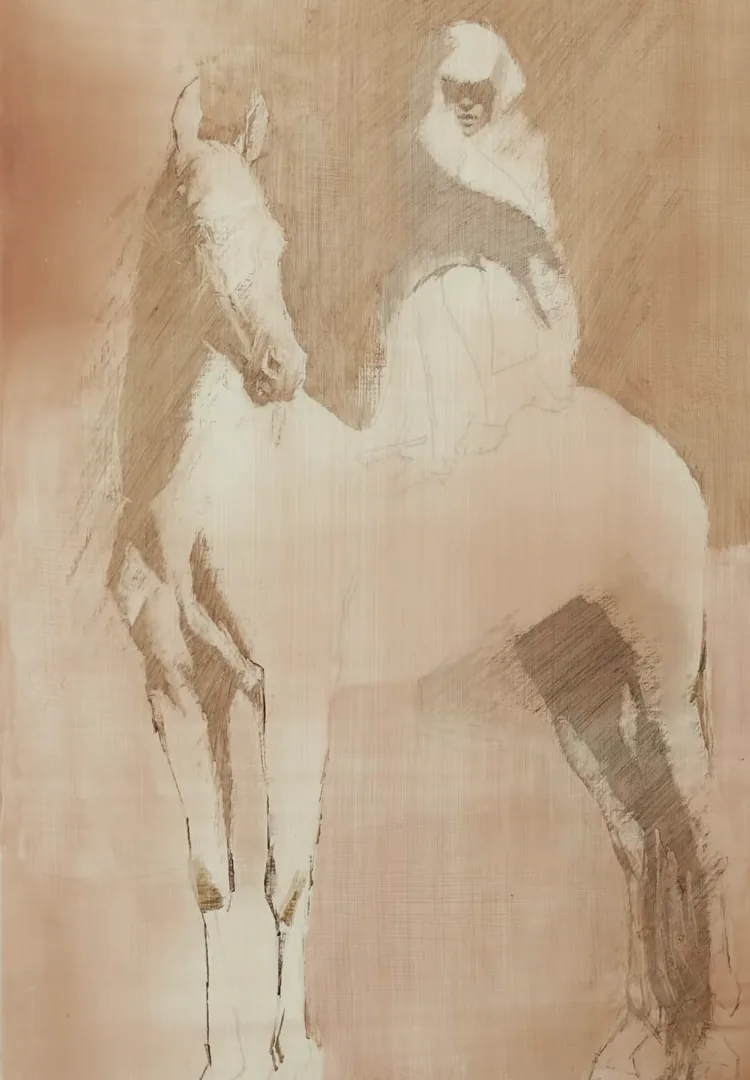
One mistake is abandoning the stage you are in. The other is refusing to leave the earlier one. I have felt that second pull a lot, because I really do like a simple monochrome look. In the painting above, if I had left the light shapes of the horse white, I would have been happy with it, and I would have built the whole finish around that, which would have changed the painting completely.
Sometimes that is the right call. I leave paintings more monochrome on purpose all the time, because I like them that way. If you decide something else would look better, that is great. Do it. What I would not do is decide out of fear. If you are protecting a passage because it feels precious and you are afraid of ruining it, that is where it gets dangerous.
The same trap shows up with detail. You spend a long time on one area, you get a version that is not bad after twenty tries, and you do not want to undo all that work. That is a fear-based decision too, and it is a big reason not to do detail too early. When the major relationships have been adjusted a few times first, you can get specific later with real confidence.
When I am unsure, I try to make decisions out of interest and curiosity instead of fear. In my experience those make better paintings.
Five things I do in the ugly stage
1. Know which stage you are in
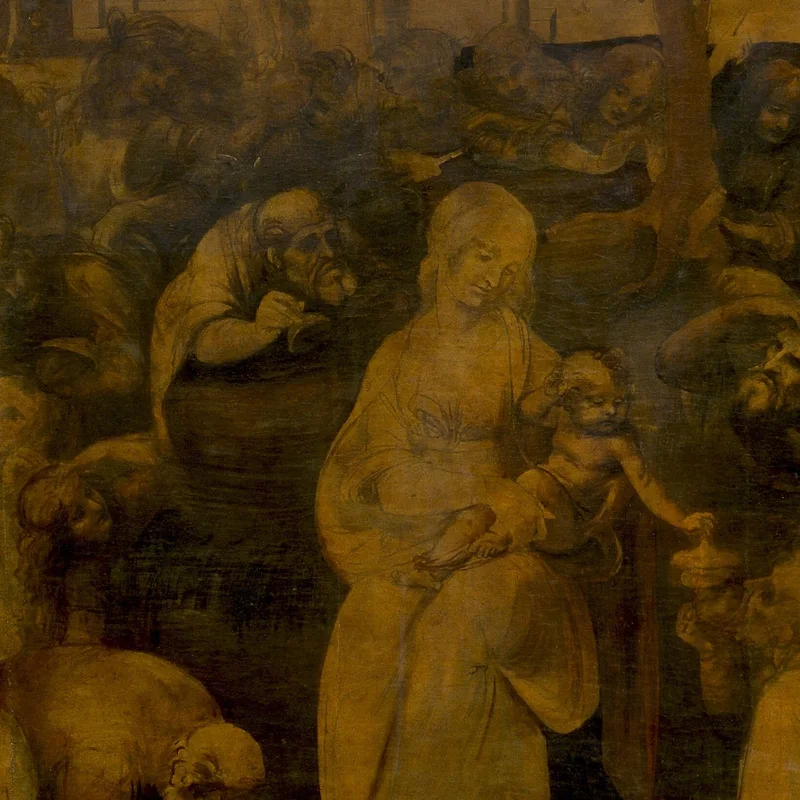
Before I fix anything, I ask what this stage is for. Early on it is relationships: placement, proportion, the big bracketing of values. In the transition it is the first color notes, and I think of those a little like notes in music, each one a tone that has to sit with the others, not a finished passage. Knowing what you are working on keeps you from judging one stage by the standards of the next.
2. Go straight back to the palette
If you make one small stroke and you do not like the value or the color, go right back to the palette and change the mixture. It does not matter if the painting is still monochrome. I have seen this so many times, and I have done it myself: you do not like a color, you keep using it, and it ends up covering half the painting. You do not want something you dislike to define your painting.
3. Put information in, then step away
Small areas are especially easy to overwork. I put some information in, move away, and come back to it later. As soon as an area is generally working, my rule is to leave it alone. That does not mean being afraid to make it better. It means being very clear about what would make it better before you touch it again.
4. Connect before you separate
Toward the end of every session I try to connect, not separate. It is easy to connect shapes while the paint is wet, and you can always separate them later with a sharp edge, wet or dry. Softening an edge or lifting a little paint out of a shadow is much easier now than once the paint has dried, when you would have to mix a new color and repaint it. Sometimes I just use my finger.
5. Keep the detail for later
Leave small things simple while the painting is still changing. On a small figure I do not want fully articulated toes yet. I need the whole shape to read as a foot. The more the big relationships get adjusted before you commit to detail, the fewer precious passages you will feel you have to protect.
Is it the ugly stage or a bad start?
A good way to judge a start is how excited you are to keep going. If you are dreading coming back to the painting, that tells you something. If you still want to see where it goes, even while it looks awkward, you are probably in the ugly stage and it is worth pushing through. And if a start really is not working, restarting is fine. There is no reason to feel bad about it.
It gets easier with intentional practice
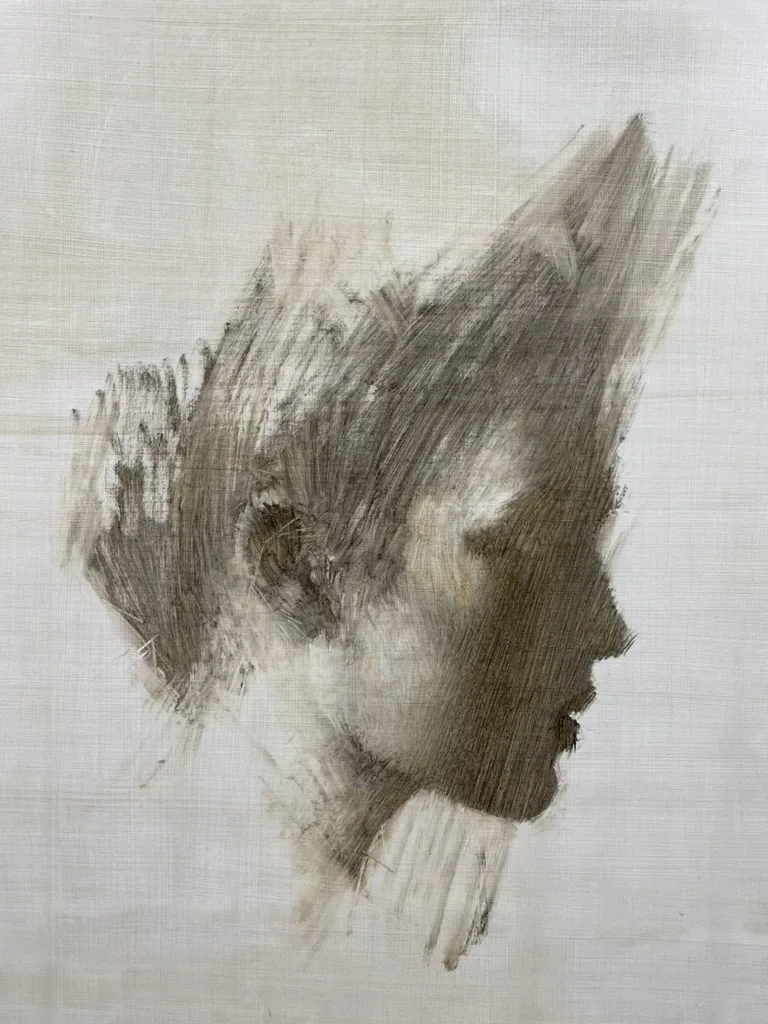
Knowing what the awkward stage is, and what not to do in it, comes mostly with experience. But experience is not the same as time with a brush in your hand. You can make random decisions every session, get random results, and feel like you are not improving. Intentional practice means telling yourself to do one specific thing, practicing exactly that, and then zooming back out to see how it changes the rest of your process. That is how this stage stops being something you fear and becomes something you recognize.
If muddy color is the problem rather than the stage, start with why oil paintings go muddy. For the monochrome stage that comes before all this, see grisaille and underpainting, and for the other end of the painting, complete, not finished.
FAQ
What is the ugly stage of a painting? It is the stretch, usually between the monochrome block-in and the color stage, where a painting looks worse than it did before. The first color notes and midtones are going in, more variables are in play, and nothing is resolved yet. It is a normal part of the process, not a sign the painting has failed.
Why does my painting look worse when I add color? Because you have added variables before any of them is settled. The monochrome stage reads cleanly, and the first color notes interrupt it before they have relationships with each other. Keep going, go back to the palette as soon as a mixture is wrong, and judge the painting once the color stage has had a chance to come together.
Should I start over if my painting looks bad? Check how you feel about continuing. If you still want to keep going, it is probably the ugly stage, so push through. If you are dreading coming back to it, restarting is fine, and there is no reason to feel bad about it.
How do I stop overworking a painting in the middle stage? Put information in, step away, and come back. As soon as an area is generally working, leave it alone until you know exactly what would make it better. Keep small areas simple until the big relationships are settled.
Letters from the studio
An occasional letter, usually a story about how some painter actually worked and what I am painting now. The day after you sign up, a welcome code for the course.
Written by Daniel Bilmes — painter and educator, Los Angeles. Methods.art is the online painting program built around developing your own process, not copying a house style. See the program or work with Daniel one-on-one.